Cultivated Flowers Can Be Pollinator-Friendly, Study Finds
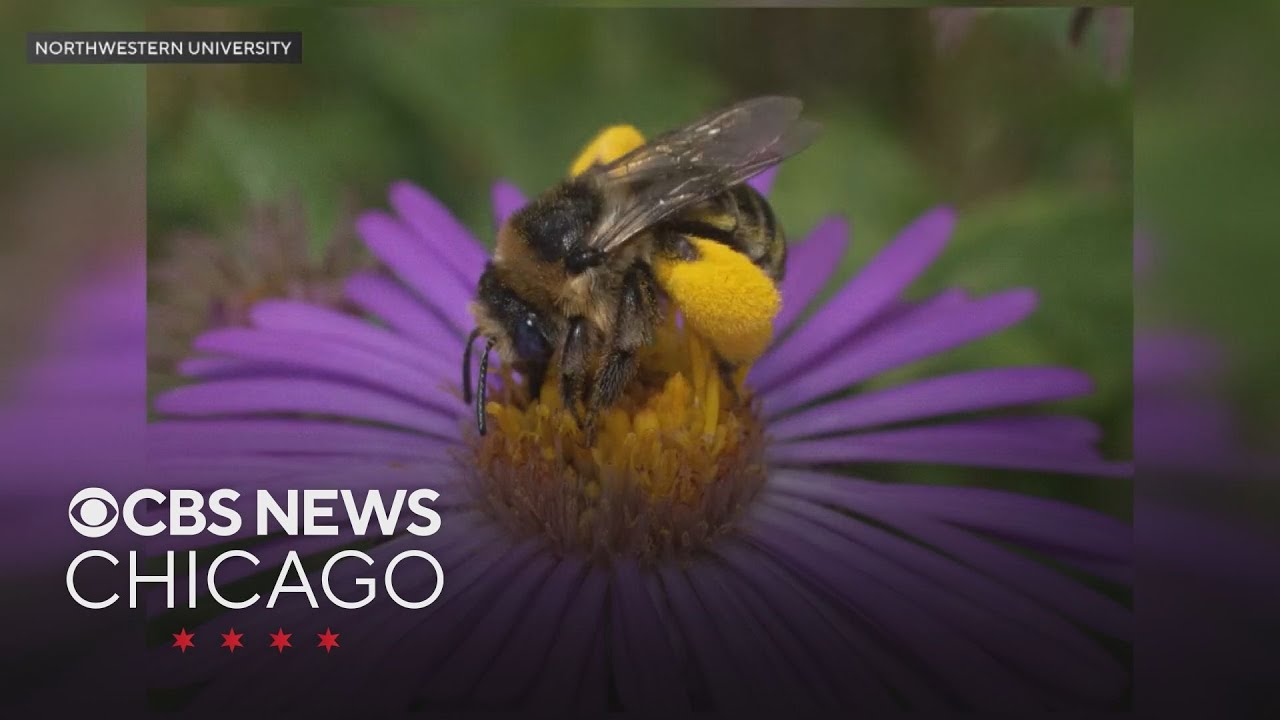
A new study by **Northwestern University** and the **Chicago Botanic Garden** challenges the notion that pollinator gardens must be entirely wild. Researchers…
Summary
A new study by **Northwestern University** and the **Chicago Botanic Garden** challenges the notion that pollinator gardens must be entirely wild. Researchers found that certain **cultivated plants**, bred for visual appeal, can still effectively support bees and butterflies. Specifically, **cultivated black-eyed Susan** ('Goldsturm') and **foxglove beardtongue** ('Husker Red') performed comparably to their wild counterparts in attracting pollinators. This research offers a more accessible entry point for gardeners seeking to contribute to pollinator conservation without sacrificing traditional garden aesthetics, potentially broadening participation in the [[pollinator-friendly gardening|pollinator gardening movement]].
Key Takeaways
- Certain cultivated ornamental plants can effectively support pollinators, challenging the exclusive reliance on wildtype species.
- Specific cultivars like 'Goldsturm' black-eyed Susan and 'Husker Red' foxglove beardtongue showed comparable pollinator attraction to their wild counterparts.
- This research provides a more accessible entry point for gardeners who prioritize aesthetics but wish to contribute to pollinator conservation.
- The study suggests a thoughtful mix of wild and cultivated plants can be an effective strategy for pollinator gardens.
- The pollinator gardening movement is evolving to incorporate diverse approaches beyond purely wild landscapes.
Balanced Perspective
The research, published in **Ecosphere**, tested specific cultivated plant varieties against their wild types. While 'Goldsturm' and 'Husker Red' showed comparable pollinator attraction, other tested cultivars like 'American Gold Rush' and 'Blackbeard' performed less effectively. This indicates that not all cultivated plants are equal in their ecological value, and careful selection remains crucial for effective pollinator support. The study highlights a nuanced approach rather than a blanket endorsement of all ornamental cultivars.
Optimistic View
This study is a game-changer for mainstream conservation efforts. It validates the desire of many gardeners to maintain beautiful, tidy landscapes while actively contributing to [[pollinator conservation|pollinator conservation]]. By demonstrating that **cultivated varieties** like 'Goldsturm' and 'Husker Red' can be effective, it lowers the barrier to entry, encouraging more people to create pollinator habitats in their own yards and potentially reversing alarming [[pollinator decline|pollinator declines]].
Critical View
While the study offers a hopeful middle ground, it risks oversimplifying a complex issue. Focusing on a few successful cultivars might distract from the fundamental importance of **native wildtype plants**, which have evolved over millennia to support local ecosystems. There's a danger that gardeners might opt for aesthetically pleasing but less ecologically beneficial cultivars, inadvertently creating 'pretty deserts' that offer limited nutritional value and habitat for a diverse range of pollinators.
Source
Originally reported by Northwestern Now News