
Contents
- 🎵 Origins & History
- ⚙️ How It Works
- 📊 Key Facts & Numbers
- 👥 Key People & Organizations
- 🌍 Cultural Impact & Influence
- ⚡ Current State & Latest Developments
- 🤔 Controversies & Debates
- 🔮 Future Outlook & Predictions
- 💡 Practical Applications
- 📚 Related Topics & Deeper Reading
- Frequently Asked Questions
- Related Topics
Overview
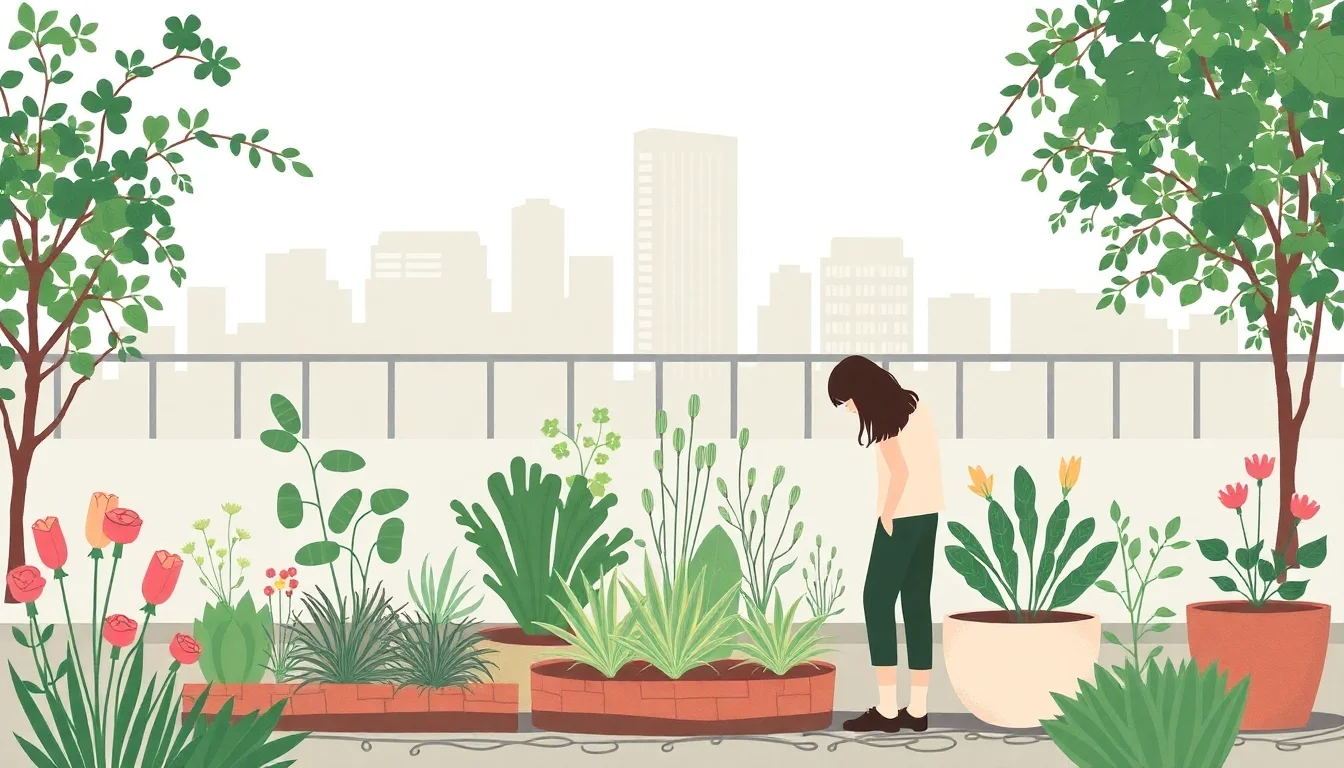
Urban gardening is the practice of cultivating fruits, vegetables, and plants in urban environments, such as backyards, rooftops, and community gardens. This movement has gained traction as cities around the globe face challenges like food deserts, climate change, and a growing population. By fostering community connections, urban gardening not only enhances food security but also promotes mental well-being and environmental stewardship. As cities continue to evolve, urban gardening stands as a beacon of hope for sustainable living and community engagement.
🎵 Origins & History
Urban gardening has roots that trace back to ancient civilizations, where communities cultivated plants in shared spaces. The establishment of community gardens in cities like New York and London occurred during the 19th century, prompted by urbanization. Today, urban gardening is celebrated worldwide, with cities like Detroit and Toronto leading the way in sustainable practices and community engagement.
⚙️ How It Works
Urban gardening operates through various methods, including container gardening, vertical gardens, and community plots. These gardens can be found on rooftops, balconies, and even in schoolyards, making use of limited space. Techniques such as hydroponics and aquaponics are increasingly popular, allowing for efficient water use and space optimization. Community gardens often involve local residents who collaborate to grow food and share resources, fostering a sense of community and belonging. Notable organizations like the American Community Gardening Association promote these practices, providing resources and support for aspiring urban gardeners.
📊 Key Facts & Numbers
Urban gardening initiatives have led to the creation of green spaces, significantly improving air quality and biodiversity. Studies show that urban gardening can enhance environmental benefits. Furthermore, urban gardening has been shown to improve mental health by offering a therapeutic outlet for stress relief and relaxation.
👥 Key People & Organizations
Key figures in the urban gardening movement include William Morris, a pioneer of integrating nature into urban life, and Michael Pollan, an influential author and advocate for sustainable agriculture. Organizations like GreenThumb in New York City and The Community Garden Movement have played crucial roles in promoting urban gardening practices. These individuals and groups have inspired countless others to take up gardening in urban settings, emphasizing the importance of local food systems and community resilience.
🌍 Cultural Impact & Influence
Urban gardening has significantly impacted culture and society, influencing everything from local food movements to urban policy. In cities like Detroit, urban gardens have become symbols of resilience and community empowerment, transforming abandoned lots into productive spaces. The rise of social media has also amplified the visibility of urban gardening, with hashtags like #UrbanGardening and #GrowYourOwnFood inspiring individuals worldwide. Events such as National Community Gardening Week celebrate these efforts, bringing together gardeners to share knowledge and experiences. The cultural significance of urban gardening continues to grow, as it fosters connections between people and the environment.
⚡ Current State & Latest Developments
Urban gardening has fueled interest in gardening, particularly during the COVID-19 pandemic, as many people turned to it as a way to cope with isolation and food insecurity. The integration of technology will enhance urban gardening practices, making them more efficient and accessible.
🤔 Controversies & Debates
Controversies surrounding urban gardening often revolve around land use and gentrification. While urban gardens can revitalize neighborhoods, they can also lead to increased property values and displacement of long-term residents. Critics argue that without careful planning, urban gardening initiatives may inadvertently contribute to gentrification, pushing out the very communities they aim to support. Additionally, debates about the use of public land for gardening versus other community needs continue to spark discussions among urban planners and residents alike. Balancing the benefits of urban gardening with the potential for negative consequences remains a critical challenge.
🔮 Future Outlook & Predictions
Looking ahead, urban gardening is poised for continued growth and innovation. The focus on climate resilience will drive more cities to adopt urban gardening as a strategy for mitigating the impacts of climate change. As urban populations continue to rise, the need for sustainable food systems will make urban gardening an essential component of urban planning.
💡 Practical Applications
Urban gardening has practical applications that extend beyond food production. It can serve as an educational tool, teaching children about nutrition and environmental stewardship through school gardens. Community gardens provide opportunities for social interaction and collaboration, fostering friendships among neighbors. Furthermore, urban gardening can create jobs in landscaping, horticulture, and food production. The versatility of urban gardening makes it a valuable asset for communities seeking to enhance their quality of life.
Key Facts
- Year
- 2023
- Origin
- Global
- Category
- sustainable-living
- Type
- concept
Frequently Asked Questions
What is urban gardening?
Urban gardening is the practice of growing fruits, vegetables, and plants in urban areas, such as backyards, rooftops, and community gardens. This movement addresses food security, promotes sustainability, and fosters community connections.
How does urban gardening benefit communities?
Urban gardening enhances communities by providing access to fresh produce, improving mental health, and fostering social connections. These gardens also serve as educational tools, teaching residents about nutrition and environmental stewardship.
What are some challenges associated with urban gardening?
Challenges include land use conflicts, potential gentrification, and the need for careful planning to ensure that urban gardening benefits existing communities without displacing them.